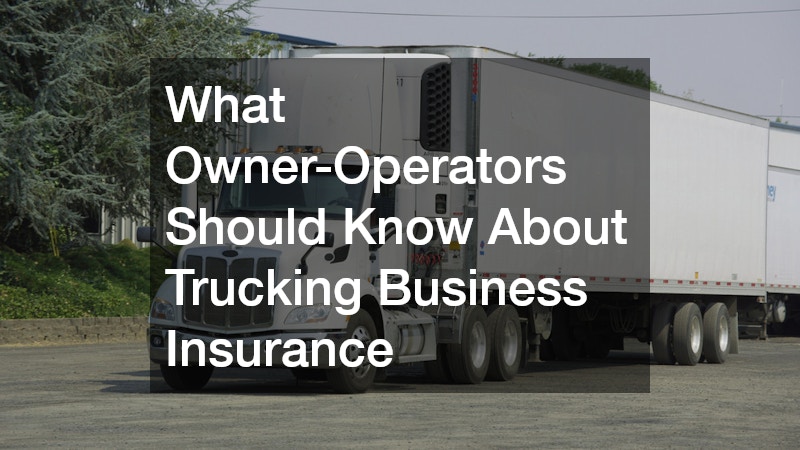

Running as an owner-operator in the trucking industry comes with a unique set of responsibilities. You are not only responsible for delivering freight safely and on time, but also for protecting your equipment, your cargo, and your financial stability. One of the most important tools for managing risk is trucking business insurance. Understanding how it works, what it covers, and why it matters can help owner-operators make better decisions and avoid costly setbacks.
Why Trucking Business Insurance Matters for Owner-Operators
Owner-operators face more direct financial exposure than company drivers. Since you often own or lease your truck and operate as an independent contractor, any accident, theft, or cargo damage can have a major financial impact.
Trucking business insurance is designed to reduce these risks by providing coverage for accidents, liability claims, and physical damage. Without it, even a single incident could result in high out-of-pocket costs, legal issues, or loss of income due to downtime.
Insurance is not just a requirement in many cases—it is a financial safeguard that keeps your business operating even when unexpected events occur.
Key Types of Coverage in Trucking Business Insurance
Not all insurance policies are the same. Owner-operators typically need a combination of coverage types depending on how they operate, what they haul, and whether they are leased to a carrier or fully independent.
Primary Liability Coverage
Primary liability coverage is one of the most important components of trucking business insurance. It helps cover damages or injuries you may cause to other people or property while operating your truck. This coverage is usually required by law and by motor carriers if you are leased to them.
Without liability coverage, an accident could lead to major legal and financial consequences.
Physical Damage Coverage
Physical damage coverage helps pay for repairs or replacement if your truck is damaged in an accident, vandalism, or a natural disaster. For owner-operators, this is especially important because your truck is your livelihood.
This coverage is typically divided into collision coverage, which handles accident-related damage, and comprehensive coverage, which handles non-collision events like theft or weather damage.
Cargo Coverage
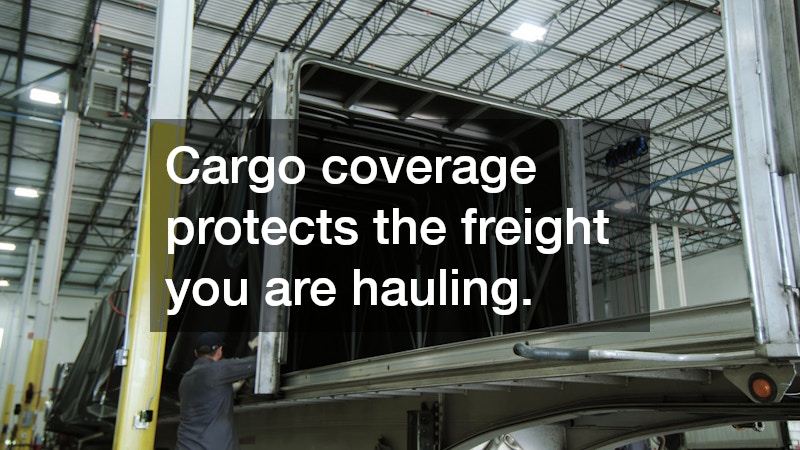
Cargo coverage protects the freight you are hauling. If goods are damaged, lost, or stolen while in your care, this insurance helps cover the cost. Many shippers and brokers require a minimum level of cargo coverage before allowing you to haul their freight.
For owner-operators, cargo protection is important for maintaining trust with clients and securing consistent work opportunities.
Non-Trucking Liability Insurance
If you are leased to a motor carrier, non-trucking liability insurance may be required when you are using your truck for personal use. This coverage helps protect you when you are not actively hauling freight under dispatch.
It is important to understand when you are covered and when you are not, as gaps in coverage can lead to unexpected liability.
Factors That Affect Trucking Business Insurance Costs
Insurance premiums can vary widely for owner-operators. Several factors influence how much you will pay for trucking business insurance.
Driving Record and Experience
Your driving history plays a major role in determining insurance costs. A clean record with no accidents or violations typically leads to lower premiums. On the other hand, a history of claims or infractions can increase costs significantly.
Experience also matters. More experienced drivers are often seen as lower risk.
Type of Freight Hauled
What you haul affects your risk level. For example, hauling hazardous materials or high-value cargo usually results in higher insurance premiums compared to general freight.
Insurance providers evaluate how likely a claim is and how expensive it could be.
Truck Value and Condition
The age, condition, and value of your truck also influence insurance costs. Newer, more expensive trucks may cost more to insure because repairs or replacements are more costly.
Well-maintained vehicles with safety features may help reduce premiums over time.
Operating Radius and Routes
Where you drive matters as well; long-haul routes that cross multiple states or high-traffic areas may increase risk exposure. Local or regional operations may result in lower premiums depending on the insurer.
Common Mistakes Owner-Operators Should Avoid
Choosing trucking business insurance is not something to rush. Many owner-operators make avoidable mistakes that can cost them later.
One common mistake is selecting the cheapest policy without understanding coverage limits. While saving money is important, insufficient coverage can leave major gaps in protection.
Another mistake is failing to update insurance when business operations change. If you start hauling different types of freight or expand your routes, your insurance should reflect those changes.
Some owner-operators also overlook exclusions in their policies. Understanding what is not covered is just as important as knowing what is covered.
How to Choose the Right Trucking Business Insurance Policy
Selecting the right trucking business insurance requires careful evaluation of your specific needs. Start by identifying how you operate—whether you are leased to a carrier or running independently—and what types of freight you haul.
Next, compare coverage options and limits. Make sure the policy provides enough protection for liability, cargo, and physical damage.
It is also important to work with providers who understand the trucking industry. Specialized insurers are often better equipped to tailor policies for owner-operators and help identify coverage gaps.
Finally, review your policy regularly. As your business grows or changes, your insurance needs may evolve as well.
The Role of Insurance in Long-Term Business Success
Trucking is a high-responsibility industry where risks are part of everyday operations. Having the right trucking business insurance helps ensure that one accident or unexpected event does not derail your entire business.
Beyond financial protection, insurance also builds credibility with brokers, shippers, and carriers. Many contracts and partnerships require proof of coverage before work can begin.
In this way, insurance is not just protection—it is also a business tool that supports growth and opportunity.
Protect Your Business With the Right Coverage
As an owner-operator, your truck is more than just a vehicle—it is your business. Choosing the right trucking business insurance gives you the confidence to operate safely, meet industry requirements, and protect your financial future.
Taking the time to understand your coverage options and risks can make a major difference in long-term success.
Secure Your Trucking Business Insurance Today
If you are ready to protect your operation and gain peace of mind on the road, now is the time to explore trucking business insurance options that fit your needs. A well-structured policy can help safeguard your truck, your cargo, and your livelihood so you can focus on growing your business with confidence.